FEATURED ARTICLE
Job-Ready vs Degree-Ready: The Reality of Employability in India
May 10, 2026 8 min read By Litos Research Team
The Indian education system produces millions of graduates every year, yet a staggering paradox persists- Thousands of job openings remain vacant while millions of degree holders remain unemployed.
Being degree-ready means you have met academic requirements; being job-ready means you possess the corporate readiness to deliver value from Day 1. As industries shift toward skills-based hiring, the traditional diploma is no longer a golden ticket.
Today’s recruiters are looking for a blend of emotional intelligence (EQ), technical fluency, and a strong personal brand that proves you can navigate the complexities of the modern workplace.
Key Takeaways
The Skills Gap: Degrees prove persistence, but portfolios prove performance.
The EQ Advantage: High Emotional Intelligence (EQ) is now ranked as a top-three priority by HR leaders for freshers.
Personal Branding: Your digital footprint is your "silent resume"; if you aren't visible on LinkedIn, you don't exist to recruiters.
Mindful Leadership: Success in corporate India now requires leadership skills rooted in self-awareness and digital mindfulness.
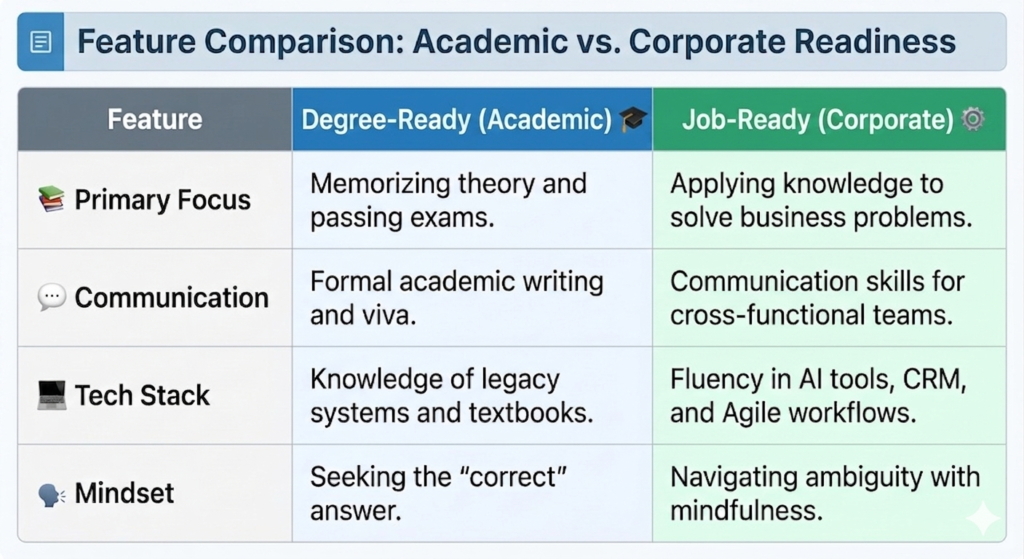
Job-Ready vs. Degree-Ready: The Comparative Landscape
5 Pillars of True Corporate Readiness
1. Mastering Communication Skills and EQ
In a hybrid work culture, clarity is currency. Being job-ready means moving beyond basic English to mastering corporate communication. This journey of personal development includes the ability to simplify complex data, active listening, and high EQ. Understanding team dynamics and managing conflict with empathy are the hallmarks of future leaders.
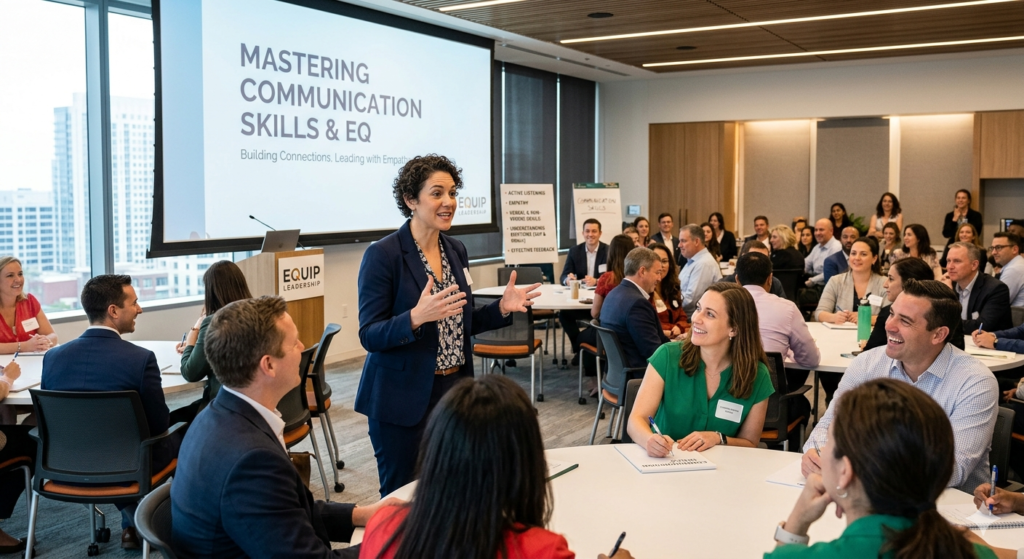
Mastering Communication Skills and EQ: Where knowledge turns into influence.
2. Building a "Human-Centric" Personal Brand
Your degree is a commodity; your personal branding is your USP. Freshers must curate an optimized LinkedIn presence that showcases their learning journey. Sharing insights on industry trends or documenting a project’s “fail-and-fix” cycle demonstrates a growth mindset that an optimized resume alone cannot convey.
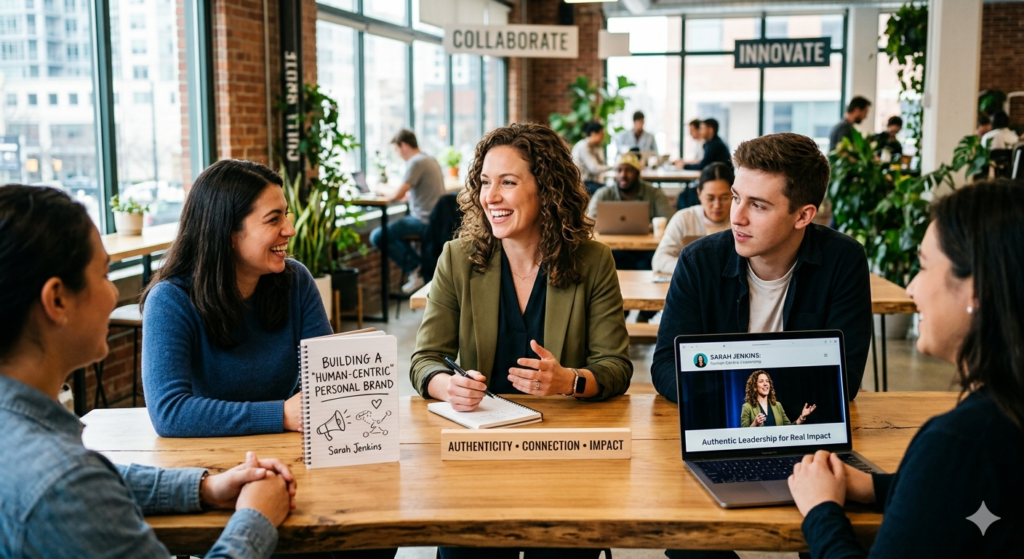
Building a “Human-Centric” Personal Brand that people trust and remember.
3. The Power of Digital Mindfulness
The corporate world is fast-paced and high-stress. Incorporating mindfulness into your professional life isn’t just about wellness; it’s about focus. Employers value candidates who can manage digital distractions and maintain high productivity without burnout. This “digital discipline” is a core component of modern leadership skills.
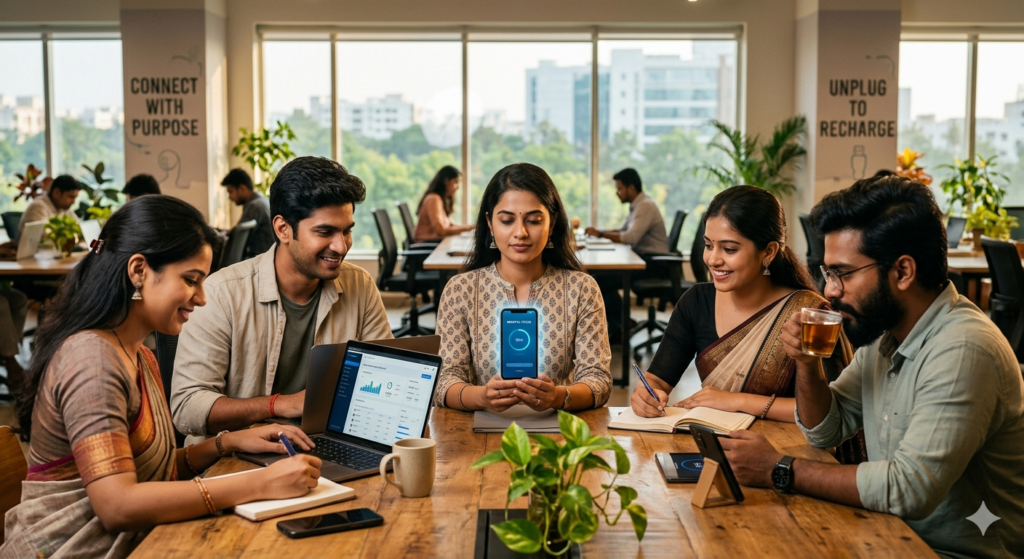
The Power of Digital Mindfulness: Using technology with intention, not distraction.
4. Transitioning from "Learner" to "Leader."
Even as a fresher, you can exhibit leadership skills by taking ownership of tasks. Being job-ready means moving from “tell me what to do” to “here is how I can help.” This proactive stance is what separates those who get promoted from those who stay stagnant.
5. Crafting an Optimized Resume for 2026
An optimized resume in 2026 must be AI-friendly and human-heavy. Use keywords that reflect current demand, such as “Generative AI collaboration,” “Cross-cultural communication,” and “Agile project management.” Ensure your resume links directly to a live portfolio or GitHub.
10 Steps Students Can Take to Close the Gap
- Conduct a Skills Audit: Use this dream job guide to compare your college syllabus with job descriptions on LinkedIn Jobs and see what’s missing.
- Enroll in Practical Certifications: Use platforms like Coursera to gain industry-recognized credentials in niche tech or leadership.
- Practice High-Stakes Communication: Join Toastmasters or participate in inter-college debates to sharpen your verbal delivery.
- Adopt a Mindfulness Routine: Use 10 minutes a day to practice focus-building exercises to prepare for high-pressure corporate environments.
- Audit Your Digital Footprint: Google yourself. Ensure your social media presence aligns with the professional image you want to project.
- Seek Mentorship: Use ADPList or similar platforms to get feedback from actual industry professionals to smooth your campus to corporate transition.
- Optimize Your Resume Monthly: Don't wait for graduation; update your resume every time you finish a project or learn a new tool.
- Develop Tactical EQ: Read books to master anxiety and remain calm enough to read a room and respond, rather than react.
- Seek mentorship: Use platforms like litos.co.in to get feedback from actual industry professionals.
- Master Presentation Tools: Go beyond PowerPoint; learn tools like Canva or Loom for modern corporate storytelling.
The Reality Check:
The 2026 India Skills Report indicates that while 56% of graduates are employable, only 15% are ‘Highly Employable’. It means they possess the specific blend of tech-savviness and soft skills required for high-growth roles. The degree gets you the interview; your EQ and corporate readiness get you the job.
In This Article
Key Takeaways
- The Skills Gap: Degrees prove persistence, but portfolios prove performance.
- The EQ Advantage: High Emotional Intelligence (EQ) is now ranked as a top-three priority by HR leaders for freshers.
- Personal Branding: Your digital footprint is your "silent resume"; if you aren't visible on LinkedIn, you don't exist to recruiters.
- Mindful Leadership: Success in corporate India now requires leadership skills rooted in self-awareness and digital mindfulness.
Campus to Corporate Framework
Download our complete guide with actionable strategies for students and institutions.
Frequently Asked Questions
Addressing the most common questions about graduate employability challenges and solutions
1. Is a degree still important if I have the skills?
Yes. In India, a degree acts as a foundational filter for most MNCs and for visa purposes if you plan to work abroad. However, the degree is the baseline, while your skills are the differentiator.
2. How can I demonstrate "Leadership" if I’ve never had a job?
Leadership is about initiative. Mention times you led a college fest, managed a team for a hackathon, or even how you self-taught a difficult skill. These are all indicators of leadership skills.
3. What makes a resume optimized for 2026?
An optimized resume uses ATS-friendly formatting (no complex tables), includes specific keywords related to AI and data, and most importantly, quantifies your impact (e.g., “Reduced code errors by 20%”).
4. Why is Mindfulness mentioned in corporate job prep?
Mindfulness improves cognitive flexibility and stress resilience. Companies today prioritize “Mental Health Fitness” because a mindful employee is more productive and less prone to burnout.
5. How do I improve my Communication Skills quickly?
Start by consuming professional content like watching TED Talks, industry podcasts, and business journals. Practice “active summarizing” involving writing down the three key points of every meeting or video you watch.
Download Our Corporate Readiness Report
Get our comprehensive framework for building effective campus-to-corporate transition pathways.